
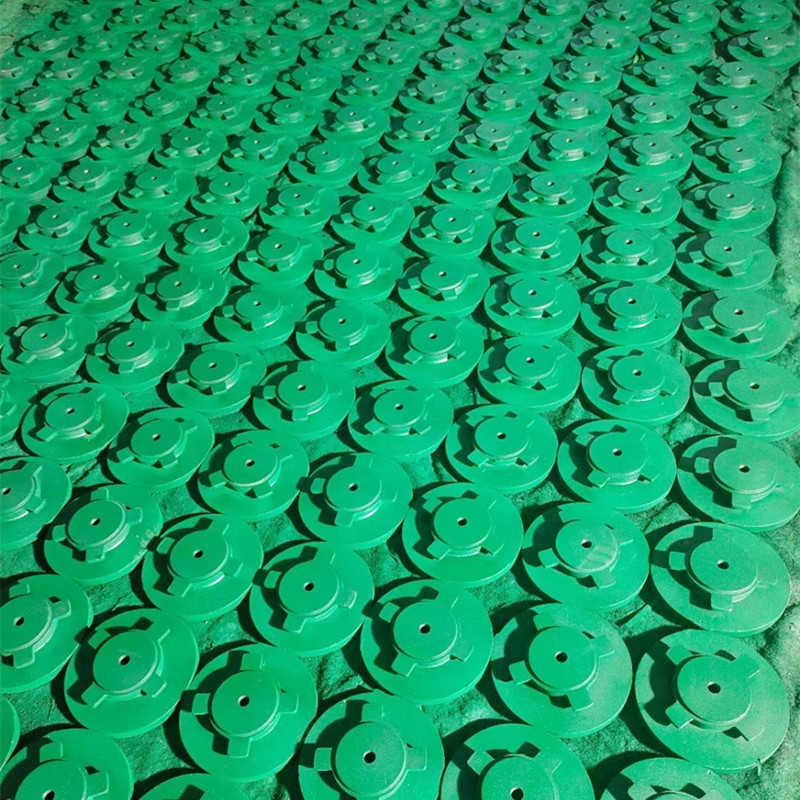
blue coated glass
Understanding the 3% Gate Valve An Essential Component in Fluid Control In various industrial applications, the flow of fluids is a critical aspect that engineers and operators must manage effectively. Among the numerous types of valves available, the gate valve stands out for its reliability and efficiency in regulating fluid flow. Specifically, the 3% gate valve has gained attention for its precision and functionality, especially in applications where controlling flow is crucial. What is a Gate Valve? A gate valve is a type of linear motion valve used to start or stop the flow of fluid through a pipeline. Unlike other valves that are designed for throttling purposes, the gate valve offers minimal flow resistance when fully opened. It operates using a gate that can lift or lower to either allow or obstruct flow. This design makes it particularly suitable for applications where a straight-line flow of fluid and minimum obstruction are desired. The Significance of the 3% Specification The term 3% gate valve often refers to the valve's ability to maintain a relatively constant flow with only a slight variation in pressure drop across the valve. This specification is important in systems where a stable flow rate is necessary, ensuring that processes operate smoothly and efficiently. The 3% indicates that the valve maintains variable flow characteristics within a tolerable range, making it suitable for various applications in both commercial and industrial settings. Applications of the 3% Gate Valve 3% gate valves are widely used in many industries, including water treatment, oil and gas, chemical processing, and power generation. In water treatment facilities, they are used to control the flow of water through various stages of purification. The oil and gas industry relies on these valves to manage the flow of crude oil and natural gas, where precision and reliability are paramount. Chemical processors use 3% gate valves to ensure safe and efficient handling of corrosive substances. Similarly, in power generation, the control of steam and water flow can significantly impact operational efficiency and safety. 3 gate valve Advantages of 3% Gate Valves 1. Precision Control The 3% gate valve allows for precise control over flow rates, which is essential in many industrial processes. This precision helps prevent overpressure in systems, thereby enhancing safety. 2. Reduced Flow Resistance Gate valves are designed to minimize turbulence and pressure drop when fully open, ensuring maximum flow efficiency. 3. Durability and Reliability Made from robust materials, these valves are built to withstand high pressure and harsh environmental conditions, making them ideal for heavy-duty applications. 4. Ease of Maintenance The simple design of the gate valve makes it easy to maintain and repair, reducing downtime and costs associated with complex valve systems. Conclusion In summary, the 3% gate valve represents a key component in fluid control systems across various industries. Its ability to provide precise flow control with minimal resistance makes it a preferred choice for many applications. As industries continue to evolve and demand greater efficiency and safety, the importance of reliable components like the 3% gate valve cannot be overstated. Whether it’s in oil and gas, water treatment, or chemical processing, understanding the role and functionality of gate valves can lead to improved operational outcomes and enhanced system performance. Overall, investing in quality gate valves is crucial for ensuring the stability and reliability of fluid control systems, thereby supporting the backbone of modern industrial operations.
about
blue coated glass
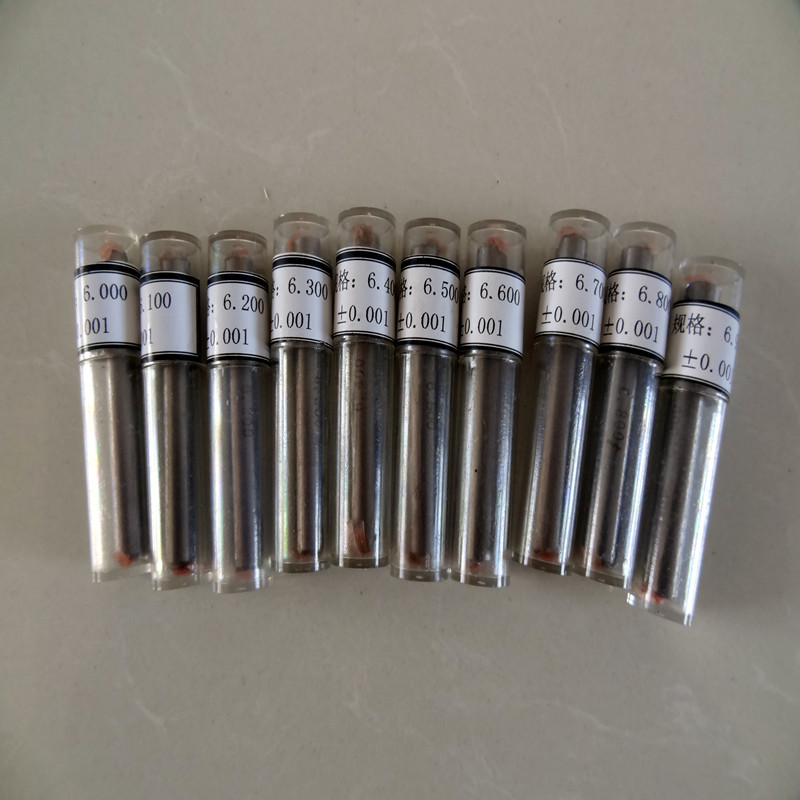
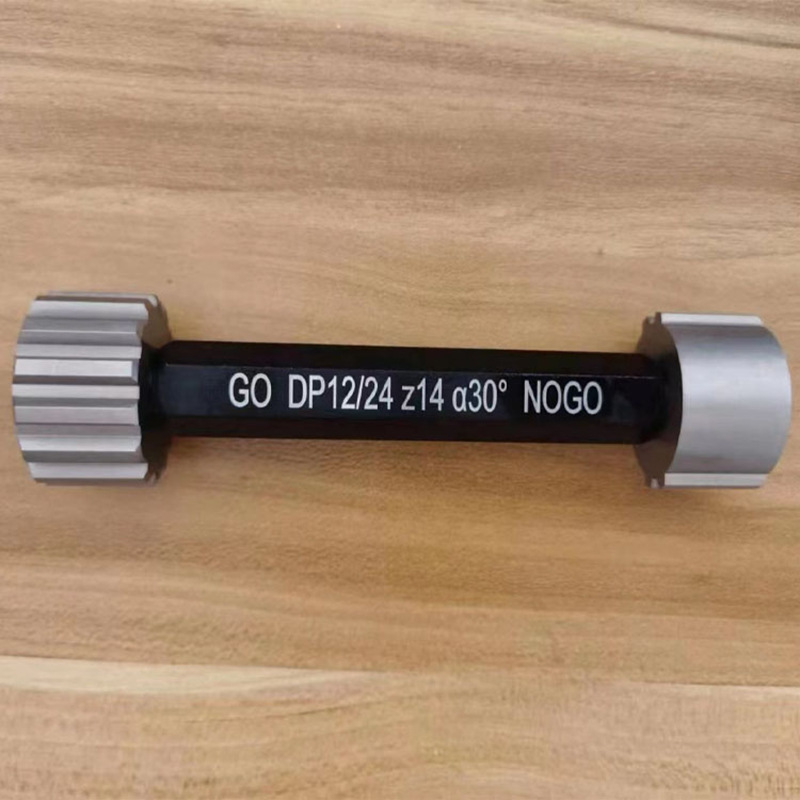
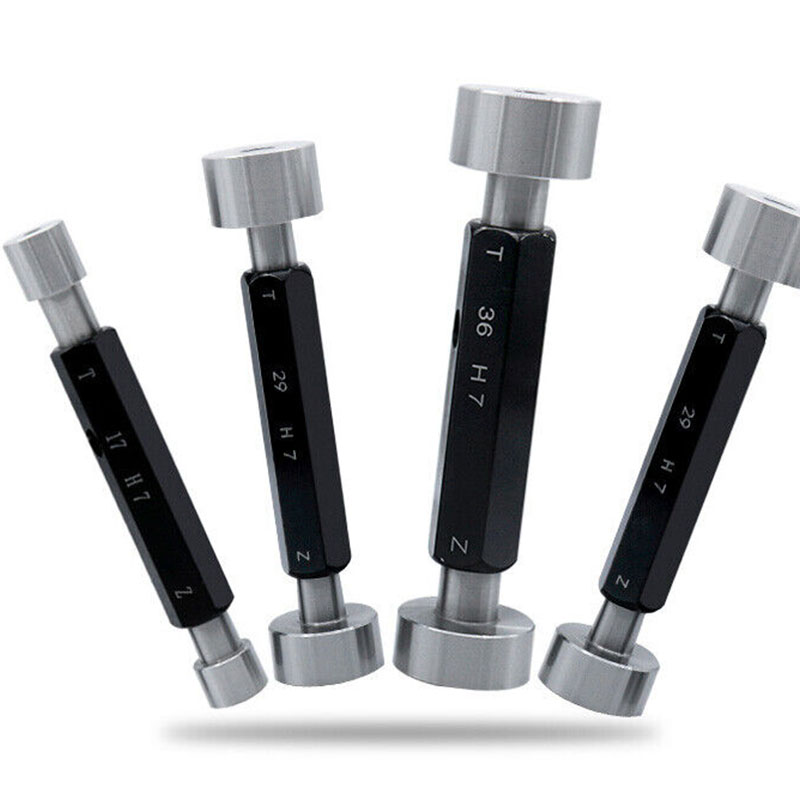
The Importance and Use of Pin Gauges in Precision Measurement In the realm of manufacturing and engineering, precision measurement is of utmost importance. One essential tool used for this purpose is the pin gauge, a simple yet highly effective instrument. Pin gauges play a crucial role in ensuring that parts conform to specified tolerances, which is vital for the quality and functionality of various mechanical components. In this article, we will explore the importance of pin gauges, their construction, and their applications in various industries. Understanding Pin Gauges Pin gauges are cylindrical rods of a specific diameter and length used primarily to measure the hole sizes and dimensions of various components. They are typically made from high-carbon steel or another durable material, ensuring that they maintain their dimensional integrity over time. Pin gauges come in a variety of sizes, allowing for a range of measurements, often categorized by a systematic arrangement for easy identification. The design of pin gauges is straightforward, consisting of precise cylindrical bodies that are uniform in diameter. They can come in either fixed sizes or in sets, offering a range of diameters for comprehensive measurement capabilities. In some instances, pin gauges are also manufactured with a specific coating or finish to prevent rust and wear, further enhancing their longevity. The Role of Pin Gauges in Manufacturing In manufacturing processes, the precision of machined components is critical. Pin gauges serve multiple functions in quality control 1. Measurement of Hole Diameters Pin gauges can be inserted into holes to verify their diameters. This process ensures that the holes meet the required specifications, which is essential for proper component assembly. 2. Go/No-Go Testing A common application for pin gauges involves the go/no-go gauge principle. In this method, a pin gauge of a specific size is used to test whether a hole is within the acceptable tolerance range. If the go gauge fits, it indicates that the hole is large enough; if the no-go gauge does not fit, it signals that the hole is too large. 3. Alignment and Positioning Pin gauges can also aid in checking the alignment of holes within an assembly, ensuring that components fit together as intended without undue stress or misalignment. Applications Across Industries pin gauge use Pin gauges are invaluable in various sectors, including - Automotive Industry In vehicle manufacturing, precision is crucial. Pin gauges are regularly used to check hole sizes for engine components, suspension systems, and other parts that must fit together with high precision. - Aerospace Sector The aerospace industry demands extreme accuracy due to the high-stakes nature of flight. Pin gauges are employed in the inspection of components such as turbine blades and fuselage sections, where even minute deviations can have severe consequences. - Medical Devices In the production of medical instruments and devices, strict tolerances are necessary to ensure patient safety. Pin gauges help verify the dimensions of holes in surgical tools, diagnostic equipment, and other critical devices. - Tool Manufacturing Toolmakers use pin gauges to ensure that the sizes of the tool holders and other related components conform to rigorous specifications. Best Practices for Using Pin Gauges To ensure the accuracy and longevity of pin gauges, users should observe several best practices - Regular Calibration Periodically calibrating pin gauges is essential to maintain measurement accuracy. This process involves verifying their dimensions against certified standards to ensure precision. - Proper Handling Users should handle pin gauges with care to avoid scratches and dents, which can affect their accuracy. Storing them in protective cases when not in use can help prevent damage. - Cleanliness Keeping pin gauges clean is crucial for accurate readings. Any debris or grease can interfere with the fit and lead to incorrect assessments. In conclusion, pin gauges are indispensable tools in the landscape of precision measurement. Their straightforward design and functionality make them vital for quality control in various industries. By ensuring that components adhere to stringent tolerances, pin gauges play a significant role in enhancing the reliability and safety of mechanical assemblies. Whether in automotive, aerospace, or medical applications, the use of pin gauges stands as a testament to the commitment to quality and precision in engineering and manufacturing processes.
-

High quality industrial productsagement

High quality industrial products
View Details -

Meet the diverse needs of customers

Meet the diverse needs of customers
View Details -

Strict quality control

Strict quality control
View Details -

Top raw materials

Top raw materials
View Details -

Trusted supplier

Trusted supplier
View Details
Our application

news and information

Valve de 10 pouces
Les vannes à papillon de 10 pouces jouent un rôle crucial dans la gestion des fluides dans divers sy
vibration pad material
Understanding Vibration Pad Materials A Comprehensive Overview In a world that increasingly relies o
Válvula de mariposa de 1200 mm para aplicaciones industriales y de control de flujo
Válvula de Mariposa de 1200 mm Eficiencia y Aplicaciones en la Industria La válvula de mariposa es u
 English